Two regulator notices and a court outcome frame this week. The Office for Product Safety and Standards found that some smoke-rated fire doorsets were supplied without the smoke seals their declared performance depends on, and recalled an e-bike charger over an insulation fault. A fire and rescue service secured a prosecution after a freeholder withheld information from inspectors, and new research put battery fires at one every three hours. For landlords and premises managers, the work is to check fire doors and charging equipment, keep EICR and PAT testing records distinct, and make sure correspondence from regulators is answered.
Electrical safety
E-bike charger recalled over insulation and fuse faults
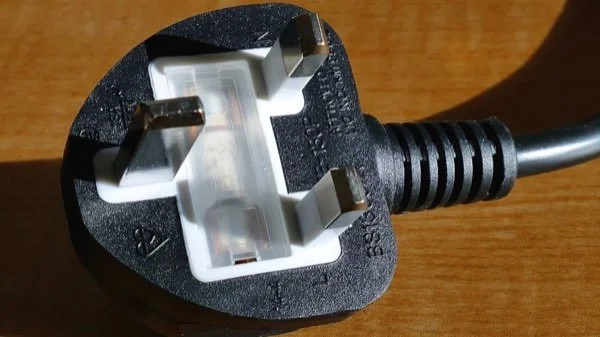
16 November — OPSS product recall. The Office for Product Safety and Standards recalled the Chamrider e-bike charger, model 48V8A220VE, because internal mains wiring is inadequately insulated and can contact the accessible, unearthed metal enclosure. OPSS says the enclosure could become live, exposing the user to electric shock, and that the plug carries a non-compliant fuse that may not give the required protection in a fault, allowing overheating and ignition.
The charger was sold between 2 and 13 August 2026 and is being recalled from end users by the supplier. OPSS advises owners to stop using it immediately and contact the supplier for a replacement or refund, and records that the product does not meet the Electrical Equipment (Safety) Regulations 2016 or the Plugs and Sockets etc. (Safety) Regulations 1994.
Who it affects and what to do: workplaces, HMOs and bike stores that offer charging space should identify the model before the next charging session. Record charger model numbers and purchase dates alongside your PAT testing records so a recall can be matched to equipment actually in use. A test pass on the day of inspection does not clear a product that a regulator has since recalled; the notice is the authority on the defect.
Flat fire traced to a consumer unit fault
14 November — London Fire Brigade incident. Five fire engines and around 35 firefighters attended a flat fire on Circus Road West, Nine Elms, where part of a two-roomed flat on the fifth floor of a nineteen-storey block was destroyed. There were no reports of any injuries, and London Fire Brigade said the cause was believed accidental and caused by a fault with a consumer unit.
Who it affects and what to do: a consumer unit forms part of the fixed installation, so it sits with the EICR rather than portable appliance testing. Landlords and duty holders should check the fixed-installation inspection record and any remedial work it identified, and keep that separate from the appliance register maintained for PAT testing. One record does not substitute for the other.
Battery fires: one every three hours, mostly preventable
17 November — National Fire Chiefs Council reporting research by Material Focus. The research estimates a battery fire every three hours in the UK, costing £2.37 billion a year, with 2,839 battery-related waste fires in 2025, a rise of 135%. Bin lorry incidents accounted for 26% of battery fires, up from 19% in 2023/24, and 91% of responding local authorities said battery fires were an increasing challenge.
NFCC's waste fires lead said the rise was concerning because many incidents are easily preventable, and that a battery thrown into a household bin can cause a serious fire that puts people at risk and in some cases takes days to extinguish.
Who it affects and what to do: many portable rechargeable items contain hidden lithium-ion batteries, from electric toothbrushes and power banks to earbuds and vapes. Use PAT testing records to identify battery-containing equipment, then make sure it leaves the building through a battery or electrical recycling route rather than general waste. Cleaning contractors and facilities teams should know where the collection point is and who empties it.
Fire safety
Fire doorsets supplied without smoke seals
18 November — OPSS product safety report. OPSS reported that some Kingsway SOLO FD30S and FD60S single action doorsets were not fitted with the necessary smoke seals and so did not perform as declared for smoke control; only the smoke-control "S" suffix is affected.
OPSS explains that without seals, smoke may pass through gaps around a closed door in the early stages of a fire. Where the doorset protects an escape route such as a stairway, lobby or corridor, smoke could enter that route while people are leaving and impair or delay evacuation, and the doorsets may not meet the General Product Safety Regulations 2005.
Kingsway Group has begun a modification programme to fit the correct seals at no cost and has contacted affected customers. OPSS advises responsible persons to consider the issue in the site's fire risk assessment and says doors should be kept closed, with self-closers checked, until the doorset has been inspected.
Who it affects and what to do: landlords, HMO owners and managers of premises with these doorsets should check door schedules and installation records, inspect smoke seals and self-closing devices, and record the outcome in the fire risk assessment. Where a doorset sits on an escape route, keep it closed until it has been inspected.
Prosecution for withholding information from fire inspectors
17 November — East Sussex Fire and Rescue Service announcement; sentencing 9 November. ESFRS reported that the freeholder of premises at York Gardens, Hastings, part of the Queens Arcade, and its sole director were found guilty at Brighton and Hove Magistrates' Court on 6 October of failing, without reasonable excuse, to provide documents and information required by an authorised inspector under Article 27 of the Regulatory Reform (Fire Safety) Order 2005.
At sentencing on 9 November the court ordered the director to pay a £10,000 fine, £6,500 in prosecution costs and a £4,000 victim surcharge, £20,500 in total. The service said the concerns inspectors had identified could put people at risk in a fire, and that the failure to provide information delayed efforts to establish who was responsible for remedying the deficiencies. The service's earlier announcement gave 8 November for sentencing; its later account records the hearing on 9 November, which is the date used here.
Who it affects and what to do: Article 27 powers let authorised inspectors enter and inspect premises, make enquiries and require the production of documents. Responsible persons should have a named person who receives correspondence from the fire and rescue authority and can produce the fire risk assessment, servicing records and maintenance evidence within the deadline given.
Two kitchen extraction fires on the same day
14 November — London Fire Brigade incidents. At a restaurant on New Cavendish Street, Marylebone, part of the lower-ground-floor kitchen was damaged, around 50 people left the building and there were no injuries; LFB said the fire was accidental and caused by a build-up of grease in the extraction system ignited by a charcoal grill. At a takeaway on Denmark Hill, Camberwell, part of the ducting was damaged by fire, with the same stated cause.
LFB's advice to restaurant and takeaway owners is to have ducting cleaned regularly, ensure it is installed correctly, have the electrical system regularly tested, and complete a fire risk assessment and emergency plan.
Who it affects and what to do: commercial kitchens should hold a cleaning schedule for ducting, hoods and extractor fans, with the date and contractor recorded. Review the kitchen's fire risk assessment, keep electrical testing records to hand, and check that fire extinguisher servicing covers the cooking risk present.
Smoking materials behind three flat fires; a house fire still under investigation
14 to 18 November — London Fire Brigade incidents. In East Ham on 14 November, part of a two-roomed flat on the second floor of an eight-storey building was damaged; LFB said the fire was accidental and caused by the unsafe disposal of smoking materials. In Islington on 17 November, a small part of a bathroom in a ground-floor flat was damaged and a man was rescued by crews wearing breathing apparatus; the cause was given as the unsafe use of smoking materials. In Hayes on 18 November, part of a four-roomed flat on the fourth floor of a ten-storey block was damaged; LFB again recorded unsafe use of smoking materials.
Separately, a house fire in Hornchurch on 15 November destroyed all three floors and the roof of a mid-terrace townhouse, with one man taken to hospital; the cause is under investigation by the Brigade and the Metropolitan Police Service.
Who it affects and what to do: landlords and managers of flats and HMOs should review where smoking actually happens — balconies, communal doorways, bin stores — and make sure cigarette waste has somewhere safe to go. Check that fire alarm servicing is current and that communal alarms and escape routes are unobstructed. For Hornchurch, treat the cause as open, not as an electrical finding.
What to do this week
- Inspect smoke seals and self-closers. Match door schedules against the doorset notice, record what you find in the fire risk assessment, and keep affected doors closed until inspected.
- Isolate the recalled charger. Check bike stores, staff rooms and HMO charging points for model 48V8A220VE, stop using it and claim the replacement or refund.
- Keep EICR and PAT testing separate. Review the fixed-installation record after the Nine Elms consumer unit fire, and keep the portable appliance register as its own document.
- Answer the regulator. Give one person responsibility for correspondence from the fire and rescue authority, with records that can be produced quickly.
- Clean the ducting before the next busy period. Record the date and contractor, and confirm emergency lighting testing and extinguisher servicing are up to date for kitchen areas.
- Give batteries a route out of the building. Identify battery-containing equipment from your records and provide a separate collection point from general waste.
For PAT testing, fire alarm servicing, fire extinguisher servicing, emergency lighting testing and fire risk assessments across Northamptonshire, Leicestershire, Warwickshire, Bedfordshire and Buckinghamshire, book a visit or view our prices.